

Blog - no.14: How to Tell a Story Through a Single Image
A Photographer’s Guide to Visual Storytelling
Ever looked at a photo that stopped you in your tracks and made you feel something inside?
That’s the magic of storytelling through imagery. A single frame can speak volumes, evoking curiosity, nostalgia, or emotion without saying a word.
And visual storytelling is the what separates a good image from a great one.
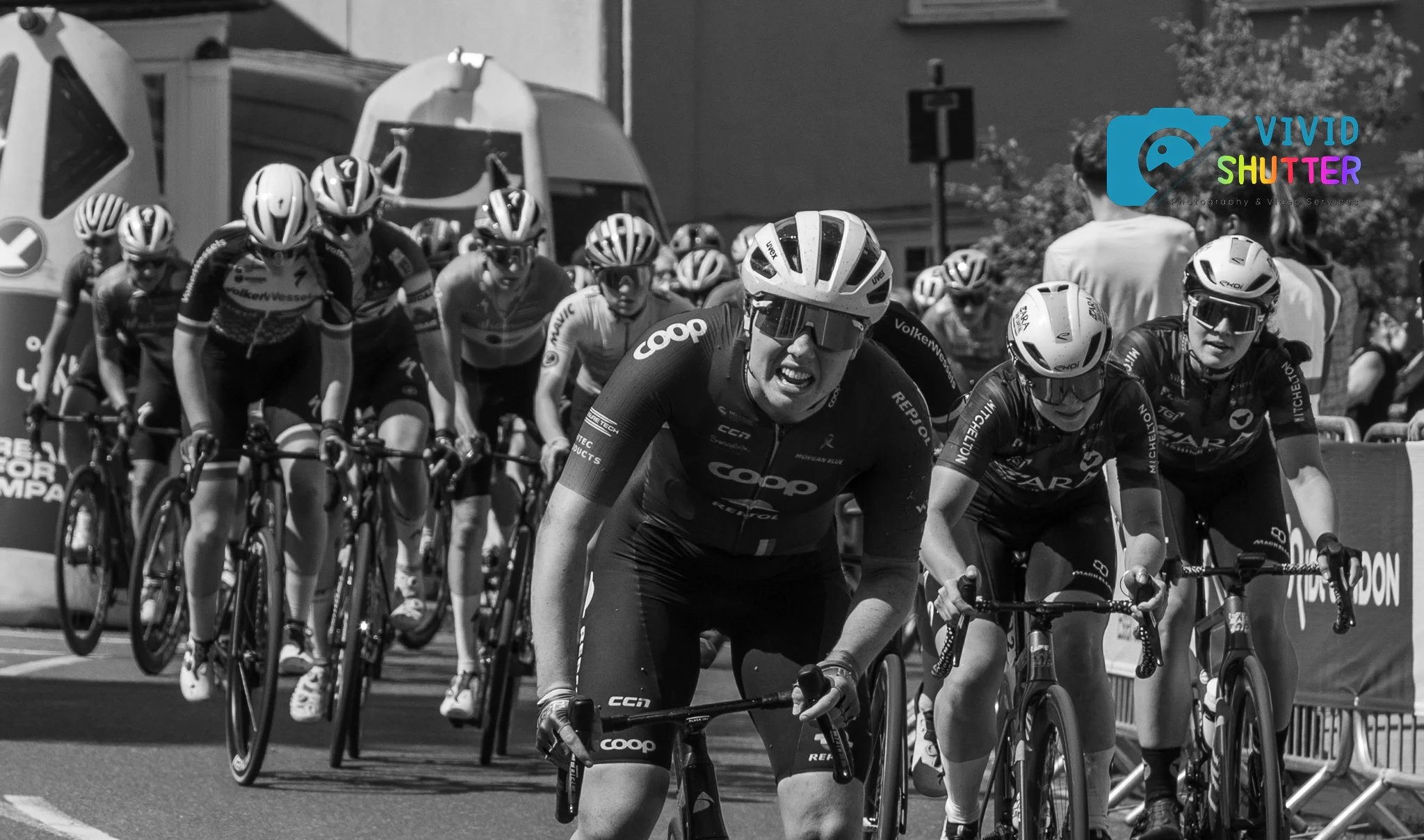
What does this picture tell you? Its taken on a hill, due to many of the riders being out of the saddle. How far is the finish line? Is there another group out front of the main peloton? Does this picture actually leave you asking more questions than it answers?
If you’ve ever wondered how to capture that kind of power in your own work, then you’re in the right place. Let’s break it down in simple, practical steps. But be aware, this isn’t easy and it’s not something that comes naturally to many photographers. So, whilst I would recommend knowing the basics of photography first, this is something that you should be thinking about from day one, if you want to capture powerful images.
1. Start with the Story You Want to Tell
The chances that you will get a powerful image just walking about with your camera is going to be slim to none. So, unless you just happen to stumble upon something, then your chances of capturing such an image will be very low.
So, before you even pick up your camera, you need to be thinking about: What do I want this image to say?
Are you showing loneliness, freedom, joy, or contrast? Knowing the message gives your photo purpose and direction.
As an example, here in the UK, you can witness scenes of powerful emotion at any one of many protests that seem to be happening most weekends in London, where you can potentially capture raw and powerful images that tell stories. But it’s not always a good idea to put yourself unnecessarily in harms way just to get a good image. There are plenty of other ways to achieve this.
Before you leave home, write down a few words that depict what you want to capture whilst out with your camera, like “serenity”, “tension”, “confusion”. Everything in your frame should point back to one of these words. Then think of likely scenarios or venues where you have a higher-than-normal chance of seeing this play out. For example, a busy market place could be a great location for capturing a range of emotions with the buzz of the environment.
2. Choose a Subject with Emotion or Character
A good story needs a strong character, even if that “character” is a tree in fog, a cracked teacup on a windowsill or a protester being very vocal to a line of police officers.
The subject should make viewers pause and wonder, what’s happening here?
If you’re photographing people, catch them in genuine, unscripted moments. For objects or landscapes, look for visual metaphors, patterns, textures, or light that hints at something deeper.
3. Composition is Your Plot Line
The way you frame your image is how you guide your viewer through the story. You want their eye to follow a set path through the most important parts of your image.
Use leading lines to pull attention to your subject or play with negative space to create a feeling of isolation. Every angle, crop, and perspective adds to the narrative.

This image invites you to see into the scene beyond the window to ask yourself who is this person, what is this place, what are they reading, why are they not working? But beware of leaving in objects in you shot that are distracting like the blackboard and the gap around the window.
Avoid anything else in your image that can unnecessarily detract a viewer’s eye away from the story you are telling.
Think of composition like punctuation, it controls how your viewer “reads” the photo.
4. Light Sets the Mood
Light should be used to convey emotion in your scene.
Soft, golden light at sunset whispers calm and romance. Alternatively, soft golden light at dawn can depict emptiness with not many people around.
Harsh midday sun screams drama and intensity.
Shadows, reflections, and silhouettes can add mystery or tension.
Experiment, change your light, and you’ll change the mood of your story.
5. Details Make It Real
Just like a good book, the little details pull us in.
The dirt under someone’s nails, the steam curling from a coffee cup, the raindrops on glass, these elements are what make your photo feel alive and relatable to everyone.
Don’t overlook the small things. They’re often what make your story stick. The more relatable to your viewer, the more it will resonate with them.
6. Leave Room for Imagination
A single image doesn’t need to explain everything.
The best stories invite questions: What happened before this moment? What happens next?

Does this picture leave you drawn in and interested as to what the chef is up to, or do you want to deliberately leave the viewer to try and fill in the blanks.
Leave a bit of mystery. Let your audience fill in the blanks. That’s how you turn a photograph into an experience.
7. Edit with Intention
Post-processing should enhance your message, not distract from it.
If your story is about nostalgia, maybe a faded tone fits. If it’s about energy, boost the contrast and color. If it’s anger and rage, then switching to black and white can increase the drama of the scene.
Always keep the emotion in mind and think of editing as your final tweak.
Final Thought
Telling a story through one image isn’t about fancy gear or technical perfection.
It’s about the connection between you, your subject, and your viewer.
When someone looks at your photo and feels something, that’s when you have cracked it.
Be selective with your images that you share online. It’s better to just post a few powerful images than to post hundreds of pictures that lack any interest.
